
Immunology and Allergy Nursing: Assessment and Reaction Recognition
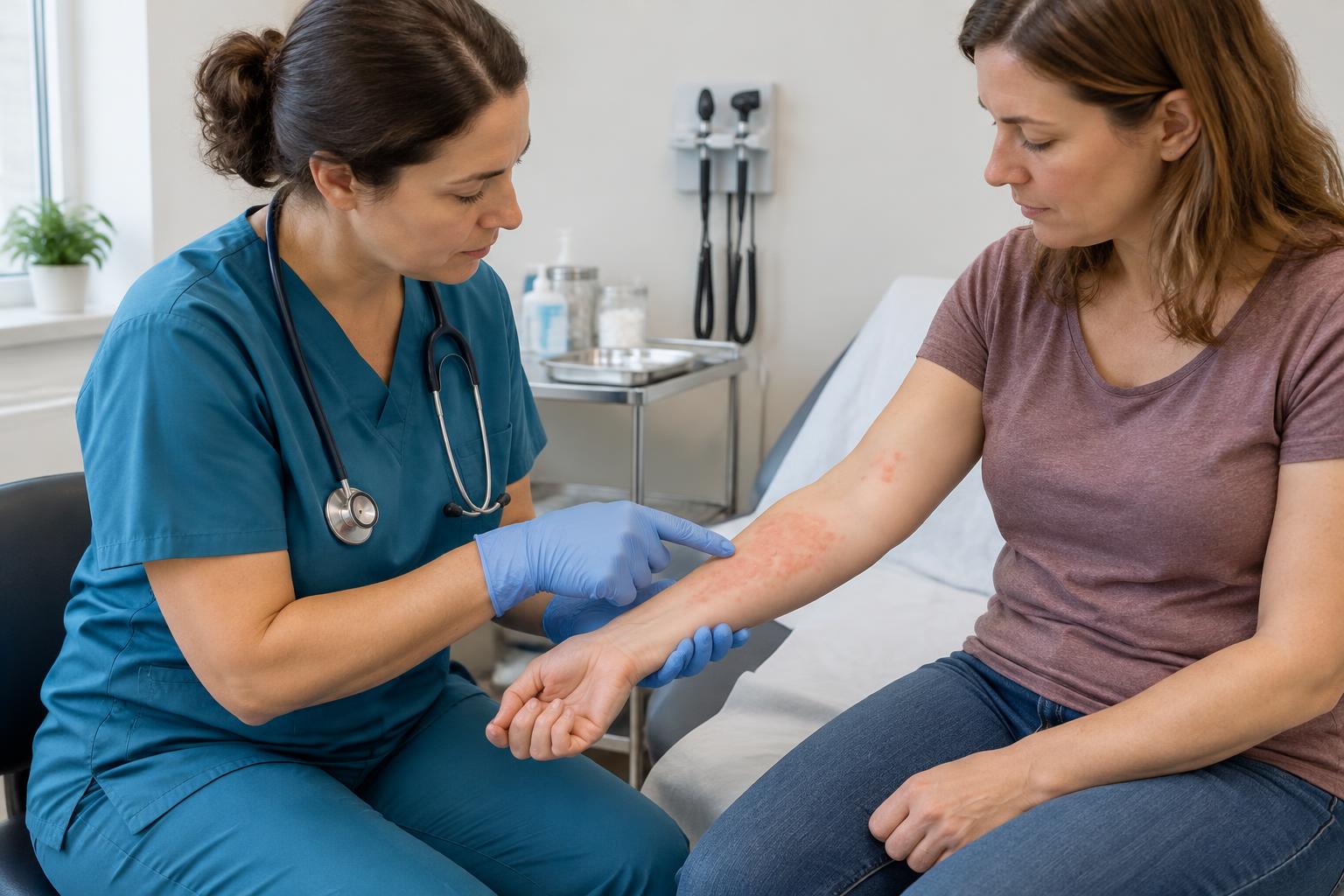
This course is designed for all nurses seeking to enhance their understanding and management of immune responses and allergic conditions. It provides a comprehensive exploration of the immune system's role in allergy, enabling nurses to accurately assess patient histories, distinguish between various reactions, and identify critical signs.
- Contact hours
- 4
- Format
- Self-paced, online
- Last reviewed
- Sep 19, 2026
$20.00or included with All-Access
$5 per contact hour · 4 contact hours
Secure checkout. Certificates issue instantly and stay in your vault even after a subscription ends.
- No post-test required · unlimited retakes · evaluation and attestation always required
Course Purpose
This course is designed for all nurses seeking to enhance their understanding and management of immune responses and allergic conditions. It provides a comprehensive exploration of the immune system's role in allergy, enabling nurses to accurately assess patient histories, distinguish between various reactions, and identify critical signs.
Continuing Education Credit Designation
This educational activity is credited for 4 contact hours at completion of the activity.
Overview
In daily nursing practice, encounters with allergic reactions, immune system dysfunctions, and patient questions about their body's defenses are frequent. Understanding the fundamental principles of immunology and allergy is not merely academic; it directly influences patient safety and the effectiveness of care. This course systematically builds from the underlying mechanisms of immune protection to the practical application of nursing interventions.
Objectives
Upon completion of this independent study, the learner will be able to:
- Describe the parts of the immune system and explain an allergic reaction as a response to a substance that is usually harmless.
- Distinguish food allergy from food intolerance and explain why the distinction changes nursing action.
- Take an allergy history that records the substance, the reaction, the body systems involved and what was needed to treat it.
- Name the food sources that cause the majority of allergic reactions and describe the difference between IgE-mediated and non-IgE-mediated food allergy.
- Recognise anaphylaxis across skin, respiratory, cardiovascular, gastrointestinal and neurological systems.
- State what the retrieved source says about epinephrine route, concentration and dose, and about the consequences of delay.
- Teach and check auto-injector technique, including injection site and the instruction to call for emergency help.
- Explain biphasic reaction risk and why a patient who improves still needs observation and clear return instructions.
- Describe first-line treatment of allergic rhinitis and the sedation and rebound risks nurses warn patients about.
- Relate eczema, hay fever and asthma to each other and to food allergy risk.
- Identify patients with reduced immune defence and the infection patterns associated with different immune deficits.
- Apply protective teaching for a patient with a weakened immune system without overstating what the sources establish.
Policy Statement
This activity has been planned and implemented in accordance with the policies of CheapCEForNurses.com. This course should be used for informational purposes only and should not be used to diagnose, treat, prescribe, recommend, or initiate therapies or treatments in any setting. This course is copyrighted by Cheap CE For Nurses, Inc. and may not be replicated, copied, or dispersed without written consent.
Disclosures
Cheap CE For Nurses, Inc. and its authors have no disclosures. There is no commercial support.
Who this course is for:
Healthcare professionals who want continuing education on Immunology and Allergy Nursing: Assessment and Reaction Recognition.
Course outline
12 sections · finish in any order across devices
- 1
Course overview and learning objectives
- 2
Introduction
- 3
Protection and Overreaction: The Immune System Behind Allergy
- 4
The Allergy History: Turning a Word Into a Usable Record
- 5
Food Allergy: The Short List, the Mechanisms and the Kitchen
- 6
Medicines, Stings and Skin: Reactions Nurses Meet on the Ward
- 7
Recognising Anaphylaxis Before It Announces Itself
- 8
Epinephrine and the Auto-Injector: What the Sources Say and What Nurses Teach
- 9
Living With Allergy: Rhinitis, Asthma and the Long Game
- 10
When Defence Is Reduced: Immunodeficiency and the Nurse's Protective Role
- 11
Nursing Considerations
- 12
Conclusion
References
The full reference list is included inside the course, after the Conclusion.
Purchase required to access Fast Facts, pretests, posttests, course evaluations and certificates. Our one free course is the only exception.
This Course Satisfies
Requirement summaries come from our state requirement records. All Users of Cheap CE For Nurses’s website and content are responsible for knowing their state’s license and renewal requirements.
Questions about this course
- How many contact hours is Immunology and Allergy Nursing: Assessment and Reaction Recognition?
- 4 contact hours, credited at completion.
- How much does it cost?
- $20.00 on its own, or included with All-Access ($29.99 a year, renewing yearly until you cancel).
- Can I listen instead of reading?
- Yes — every section can be read or heard, on your phone or computer.
- When do I get my certificate?
- As soon as you finish the course requirements and the evaluation. It stays in your account.
Update history
Take this course and the rest of the library
Unlimited annual access covers every course, every state you track, and your certificates forever.
ENROLLStill have a question?
Ask about requirements, a course, pricing or your license. Answers come from our own course list and state notes.
Answers come from Cheap CE For Nurses's own course list and our notes on state requirements. Always check your board's own rules before you count hours.